



You’ve probably steamed broccoli a hundred times. Maybe it’s your go-to “healthy” side. But here’s the thing: steaming might not be the best way to keep all those nutrients broccoli is famous for. In fact, there’s a smarter, simpler trick that helps you get more goodness—without making dinner any harder.
Why Steaming Isn’t Always the Best
For years, steaming was the sensible way to cook vegetables. It felt safe. Boiling leached away nutrients, and roasting seemed more for indulgence than health. But broccoli is no ordinary vegetable. It contains sensitive plant compounds that react fast to how you cook.
One key nutrient is sulforaphane, a plant chemical known for supporting your body’s natural detox and cell protection. It’s created when the enzyme myrosinase meets another compound during chopping or chewing. Trouble is, too much heat can stop this helpful reaction cold.
Over-steaming broccoli can cause:
- Loss of water-soluble vitamins like vitamin C and B vitamins
- Damage to sulforaphane-forming enzymes
- Soggy texture and dull color
The Better Way: Quick, Hot, and Smart
Broccoli doesn’t like long saunas. It thrives with quick, high heat—or none at all. The best cooking methods help preserve nutrients while giving you bold flavors you’ll actually crave.
Here’s what works best:
- Stir-frying or roasting: High heat, short time. Keeps flavor and nutrition strong.
- Microwaving: Fast and efficient when done in a covered container with a splash of water.
- Quick blanching: Very brief boil followed by an ice bath locks in nutrients and firm texture.
- Raw or almost-raw: No heat preserves enzymes like myrosinase for optimal sulforaphane production.
A Simple Trick That Upgrades Every Method
This one step makes a big difference: cut your broccoli, then let it sit for 10–15 minutes before heating.
That short rest lets myrosinase work and triggers sulforaphane creation. Once formed, it’s much more heat-resistant. So you’re locking in nutrition before a single flame is lit.
Plus: Healthy Fats Help You Absorb More
Pair your broccoli with a touch of fat—like olive oil, avocado oil, or nuts. These help your body absorb fat-soluble nutrients like vitamin K and beta-carotene.
Flavor boosters like garlic, lemon juice, chili flakes, or tahini sauce don’t just make broccoli exciting—they can also enhance how well your body uses what it eats.
Nutrition-Friendly Ways to Cook Broccoli at Home
You don’t need complicated gear or fancy skills. Try these easy and nutrient-smart recipes:
1. Pan-Roasted Garlic Broccoli
- What you need: Broccoli, olive oil, garlic, salt, pepper, lemon juice
- How to do it: Cut and rest the broccoli. Sauté in oil, add garlic mid-way, steam briefly with a splash of water, then finish uncovered with lemon.
End result: Bright green, slightly crispy, and packed with garlic aroma. Works great with meals or over pasta and grains.
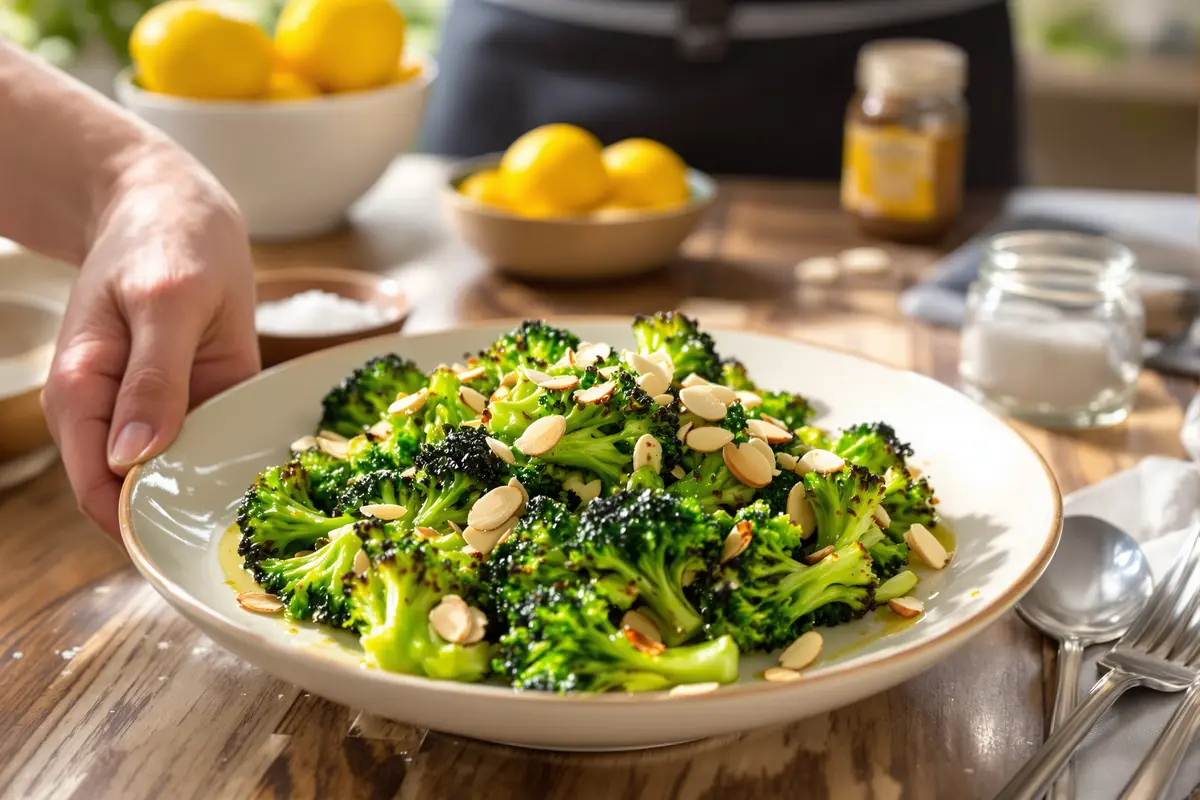
2. Sheet-Pan Roasted Broccoli with Almonds
- Ingredients: Broccoli florets, olive oil, salt, pepper, lemon zest, sliced almonds
- How to cook: Roast at 425°F (220°C) for 15–20 minutes. Add almonds in the final five minutes. Finish with lemon zest.
This brings out nutty, toasted flavors with crunchy edges and maximum nutrient retention.
3. Five-Minute Microwaved Broccoli
- Make it with: Broccoli, splash of water, tahini, lemon juice, garlic, salt
- What to do: Let broccoli rest, microwave in covered dish for 2–3 minutes, mix sauce while it cooks, then drizzle on top.
Perfect for fast meals when energy is low but health still matters.
Almost-Raw Broccoli for a Nutrient Boost
Sometimes, less heat is best. Raw broccoli preserves enzymes and offers great crunch. If raw feels too tough, try brief blanching:
- Boil for 60–90 seconds
- Chill immediately in ice water
This keeps the color vibrant and the texture crisp. You can even mix raw and cooked broccoli in salads or bowls.
Broccoli Citrus Salad with Seeds
- What you need: Blanched or finely chopped raw broccoli, orange segments or grated apple, seeds, olive oil, lemon juice, yogurt or mustard
- How to prep: Toss everything and let sit 10–15 minutes for flavor to blend
It’s a fresh, bright way to enjoy broccoli with texture and nutrition intact.
What to Remember
Goodbye to plain steamed broccoli doesn’t mean goodbye forever. If it’s what fits your routine, keep it—but just for a few minutes on the stove. Better yet, explore other ways that bring out both flavor and function.
Here’s your cheat sheet:
- Cut, then let broccoli rest before cooking
- Use short cooking times and steer clear of sogginess
- Pair with healthy fats for better vitamin absorption
- Mix cooked and raw or blanched for variety
- Microwaving, stir-frying, roasting, and blanching all beat long steaming
In the end, the best broccoli is the one that tastes so good you keep coming back for more. When it’s crispy, savory, and tossed with care, broccoli becomes not a chore—but a reward.
Your broccoli deserves better than a steam bath. And frankly, so do you.







Leave a comment